
Introduction
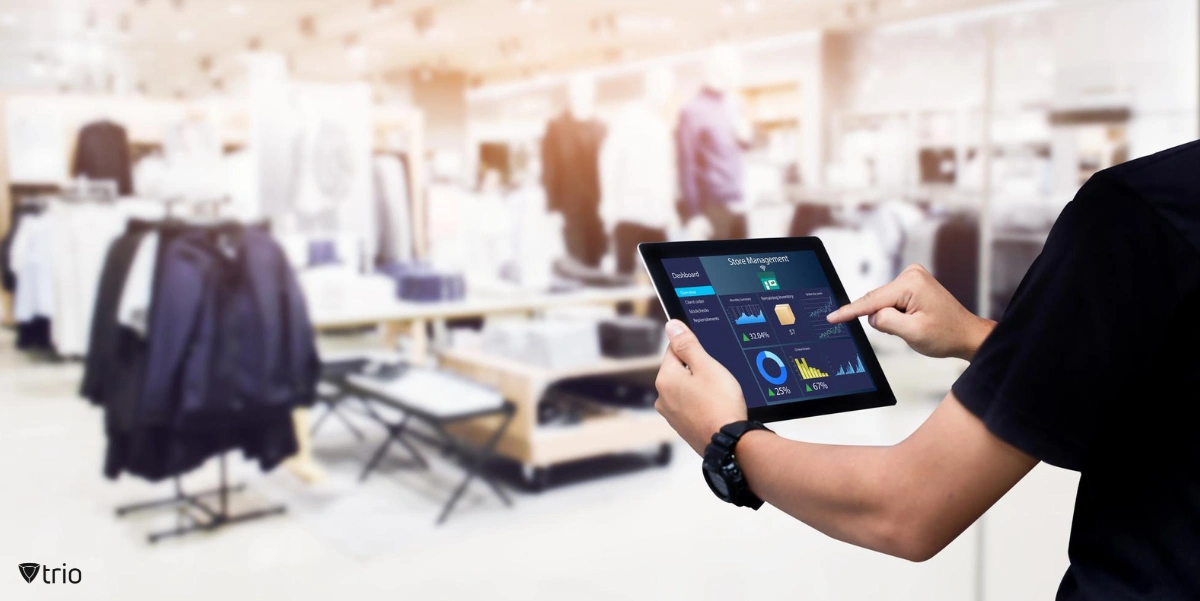
Smart retail technology has quickly become a key part of modern business. Smart retail technology is changing the way customers interact with brands as traditional retail and digital innovation come together. Smart retail technology makes sure that shopping is easy and tailored to each customer, from automatic checkouts to AI-driven suggestions. Smart retail technology is being used by businesses all over the world to make their operations more efficient, cut costs, and make customers very happy.
The Growth of Smart Retail Technology
Smart retail technology started off with simple point-of-sale systems and has grown into a fully networked ecosystem. Retailers don’t just use physical stores anymore; they also use smart retail technology like IoT sensors, facial recognition, and real-time analytics. This change is changing the whole shopping scene. Smart retail technology helps firms guess what customers want, manage their inventories better, and make their supply chains more efficient. This change is a digital transformation that uses data science and human-centered design to make every part of retail better.
What Artificial Intelligence Does for Smart Retail Technology
Smart retail technology is built on artificial intelligence. Retailers may use AI-driven information to guess how customers will act, provide product recommendations that are tailored to each customer, and even automate the process of restocking. Smart retail technology employs machine learning algorithms to look at buying patterns and assist firms make decisions based on data. Smart retail technology makes shopping more fun and interesting by using things like virtual assistants, AI chatbots, and predictive analytics. Smart retail technology is becoming a must-have in the modern marketplace because of this incorporation of AI.
Advantages of Using Smart Retail Technology
There are several benefits to using smart retail technologies. It makes things run more smoothly, cuts down on mistakes made by people, and makes the client experience better by providing faster and more accurate service. Retailers who use smart retail technology may keep an eye on store traffic, see what customers like, and create marketing plans that are just right for them. Smart retail technology also makes it easier to keep track of inventory, which means that customers can always find what they need. For customers, it makes things easier and more personal. For shops, it opens up growth prospects based on data.
Smart Retail Tech and the Experience of the Customer
The main purpose of smart retail technology is to make customers happier. Smart retail technology makes shopping in stores more fun and interactive by adding things like self-checkout systems, digital mirrors, and tailored recommendations. Retailers utilize smart retail technology to learn about customers’ feelings, actions, and tastes so they can give each consumer a one-of-a-kind experience. This technology connects online and offline stores, making sure that clients get the same level of service at all points of contact.
Smart Retail Technology and Data Analytics
Data analytics is what makes smart retail technology work. Every purchase, conversation, and time spent looking gives businesses useful information that helps them make decisions. Smart retail technology can use data analytics to show which products sell the best, when people are most likely to shop, and what makes them decide to buy. Retailers who use smart retail technology can quickly adapt to trends and change prices or stock levels as needed. Combining data analytics with smart retail technology gives decision-makers the tools they need to stay competitive in a market that is always changing.
The Future of Smart Retail Tech
Smart retail technology has a bright future ahead of it. New technologies like augmented reality (AR), blockchain, and robotics are likely to change the way people interact with brands. Smart retail technology will keep making shopping faster, easier, and more efficient. As sustainability becomes more important around the world, smart retail technology will also be very important for cutting down on waste and making the best use of resources. The retail sector is becoming more and more digital, and smart retail technology is at the heart of this change.
Problems with Using Smart Retail Technology
Even if smart retail technology has a lot of good things about it, it also has certain problems. There are big problems with high implementation costs, worries about data protection, and the necessity for skilled workers. Retailers also need to keep up with advances in technology and what customers want. But companies who get over these problems by buying smart retail technology will have a long-term advantage over their competitors. Retailers can get the most out of smart retail technology by planning carefully and always coming up with new ideas. This will benefit both their business and their customers.
Conclusion
Smart retail technology is not just a fad; it is a major change that is changing how business is done around the world. It helps merchants run their businesses more intelligently and serve customers better by merging AI, IoT, and data analytics. Smart retail technology changes what ease, personalization, and engagement mean in the retail world. As technology gets better, smart retail technology will get increasingly better, which will lead to new ideas and more efficiency in many fields. Smart, connected, and customer-focused stores are the future of retail. Smart retail technology will continue to be the main engine behind this change.